

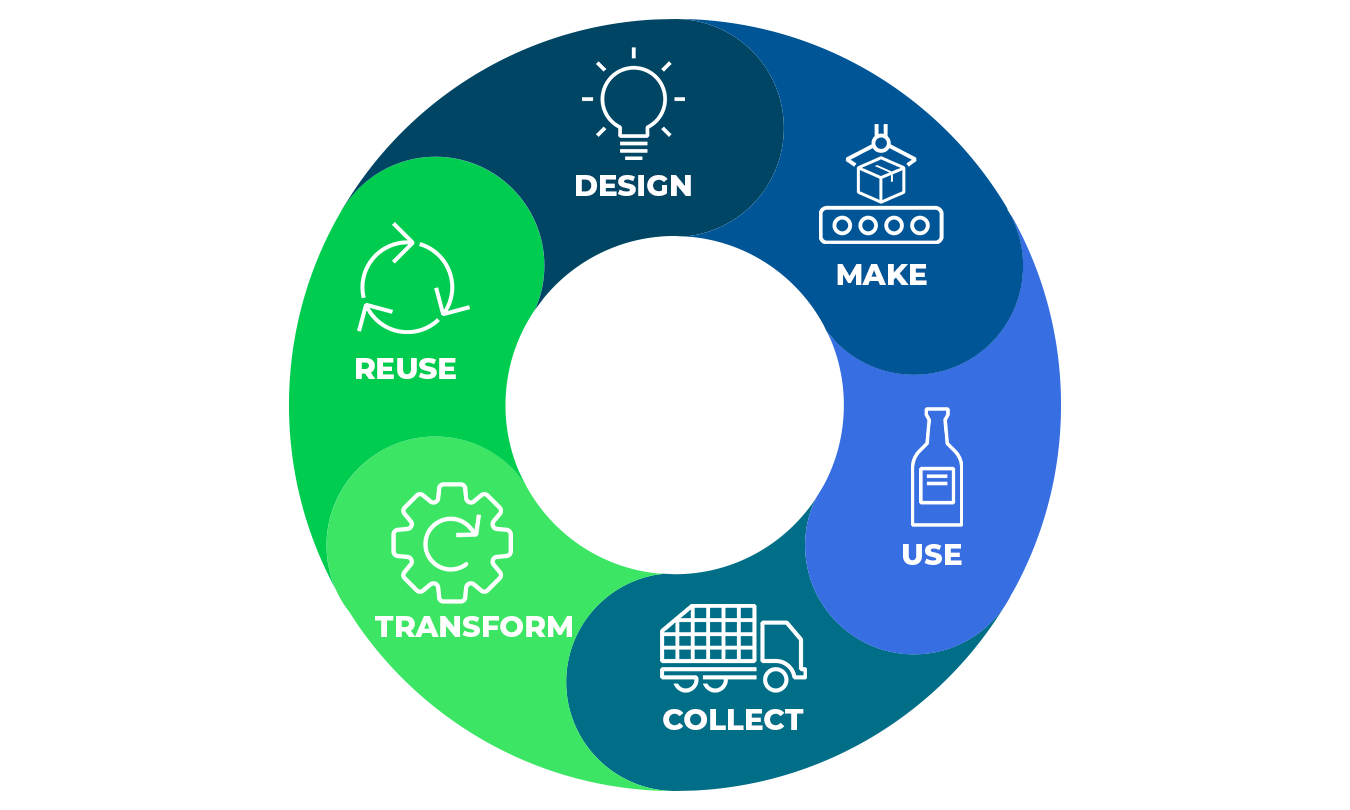
As consumption rises across the Middle East, a growing number of individuals and companies are turning to circular economy practices to extract more value from discarded materials, experts say. The approach emphasizes reducing, reusing, repairing, and recycling products rather than following the traditional linear “take, use, dispose” model.
Research indicates that around 80 percent of a product’s material content is often thrown away soon after use, even though most retains usable value. This mismatch, analysts say, represents not just waste, but missed economic and environmental opportunity.
In daily life, simple choices can make a difference. Repairing items instead of replacing them, purchasing pre-owned electronics or clothing, and properly separating household waste for recycling can reduce unnecessary disposal. Donating toys, books, and clothing not only extends their life but supports communities. Even small measures—like composting, meal planning to minimize food waste, or reusing containers—contribute to slowing consumption.
“The circular economy is not just about recycling,” said Sayali Singhi, a sustainability writer. “It encourages a more mindful approach to how we value and preserve the materials that shape our daily lives.”
Businesses are also adopting circular practices. Galadari Brothers, a regional conglomerate, has integrated circularity across its operations, reselling scrap metal to re-enter manufacturing loops, improving recycling for cardboard, plastics, and paper, and organizing donation and e-waste collection drives. These initiatives show that adopting circular strategies often requires coordination and willingness rather than major investment.
Experts note that rising waste in fast-growing regions is outpacing traditional disposal systems. Plastics, textiles, electronics, and single-use items flow through modern lifestyles at a speed that landfills and conventional recycling programs struggle to manage. Circular approaches aim to reduce pressure on finite natural resources while offering economic benefits by keeping materials in use longer.
While circularity is gaining momentum, specialists caution that widespread adoption requires both cultural and systemic change. Reframing waste as a resource and integrating sustainable practices into homes and businesses could help shift consumption patterns toward a more responsible, environmentally conscious model.
As Middle Eastern economies expand and lifestyles modernize, the circular economy offers a framework for balancing growth with environmental sustainability, demonstrating that rethinking waste can create both ecological and economic value.
