

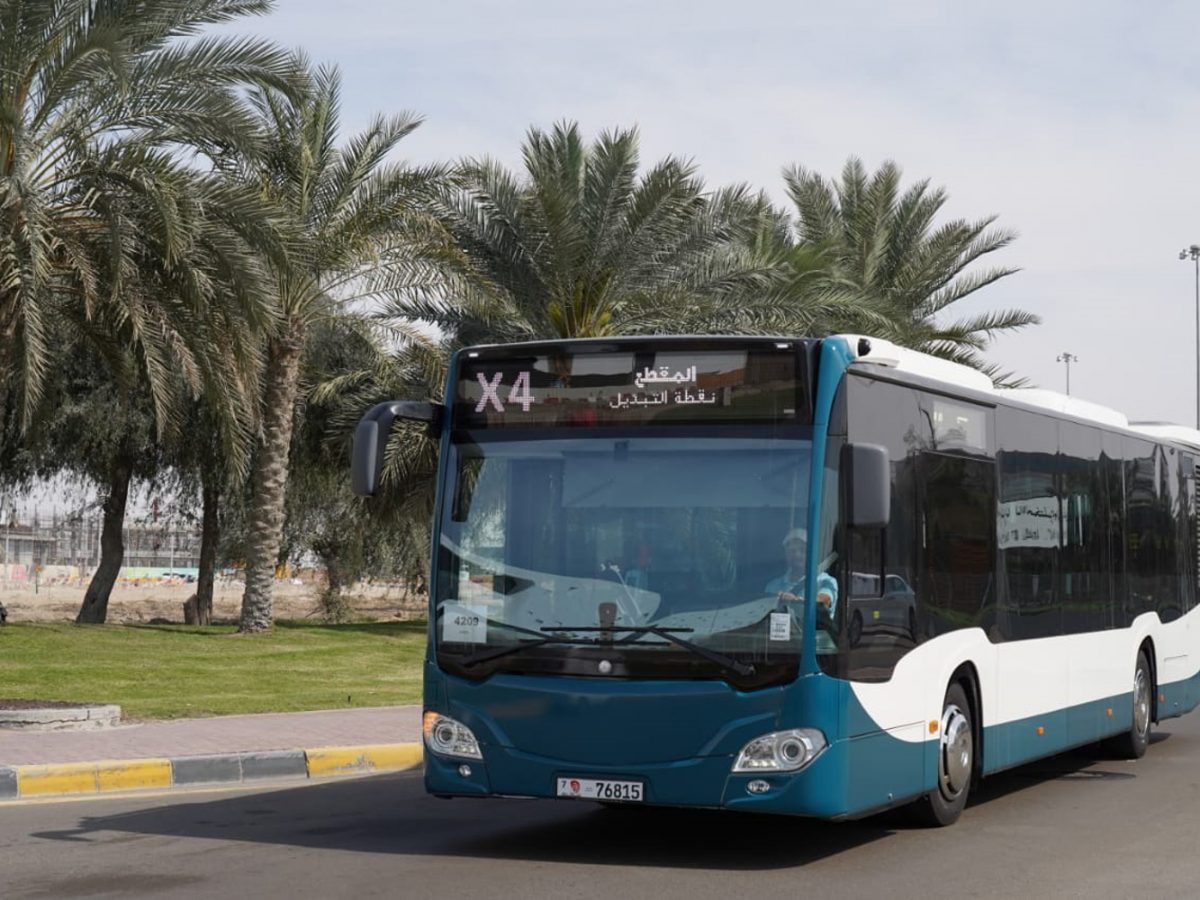
As living costs and traffic pressures continue to shape daily life in the capital, Abu Dhabi authorities are encouraging greater use of the city’s bus network — a system that offers fares as low as Dh2 per journey and connections across the emirate and beyond.
While many residents rely on private cars, public buses remain one of the most affordable transport options in the UAE. Standard fares within Abu Dhabi typically range from Dh2 to Dh5 per trip, with unlimited monthly passes available for Dh95 and weekly passes priced at Dh35.
Access to the system requires a Hafilat smart card, which passengers must purchase and preload with credit before boarding. Tickets are not sold on buses. Cards are available at the airport, the central bus station and select retail outlets, and can be recharged online or at station machines. Transport inspectors routinely check that riders tap in and out correctly.
The network also links key destinations, including Sheikh Zayed International Airport, where airport routes A1 and A2 connect travelers to the city center in about an hour. Officials say the service provides a lower-cost alternative to taxis, which often carry airport surcharges.
One of the busiest commuter routes is the 102 service between Yas Island and downtown Abu Dhabi. The route runs approximately every 10 minutes and connects residential neighborhoods with commercial districts and shopping centers.
Beyond the capital, Abu Dhabi’s central bus station also offers intercity services to other emirates. Travelers can reach Dubai for Dh25 via routes terminating at Ibn Battuta Mall or Al Ghubaiba. Those journeys require a Nol card, Dubai’s public transport payment system.
Public buses in Abu Dhabi operate with designated seating areas for women and families at the front of vehicles, and most buses are air-conditioned — a necessity during the region’s high summer temperatures. However, not all bus stops provide shaded shelters, an issue that transport planners continue to address.
The renewed attention on bus travel comes as cities across the Gulf seek to reduce congestion and carbon emissions while offering residents cost-effective commuting options. Abu Dhabi has invested in expanding its public transport infrastructure in recent years, though car ownership remains dominant.
With fuel prices fluctuating and urban populations growing, transport analysts say public bus systems could play a larger role in shaping mobility patterns in the capital. Whether more residents choose to swap private vehicles for buses may depend on convenience, reliability and continued investment in the network.
