

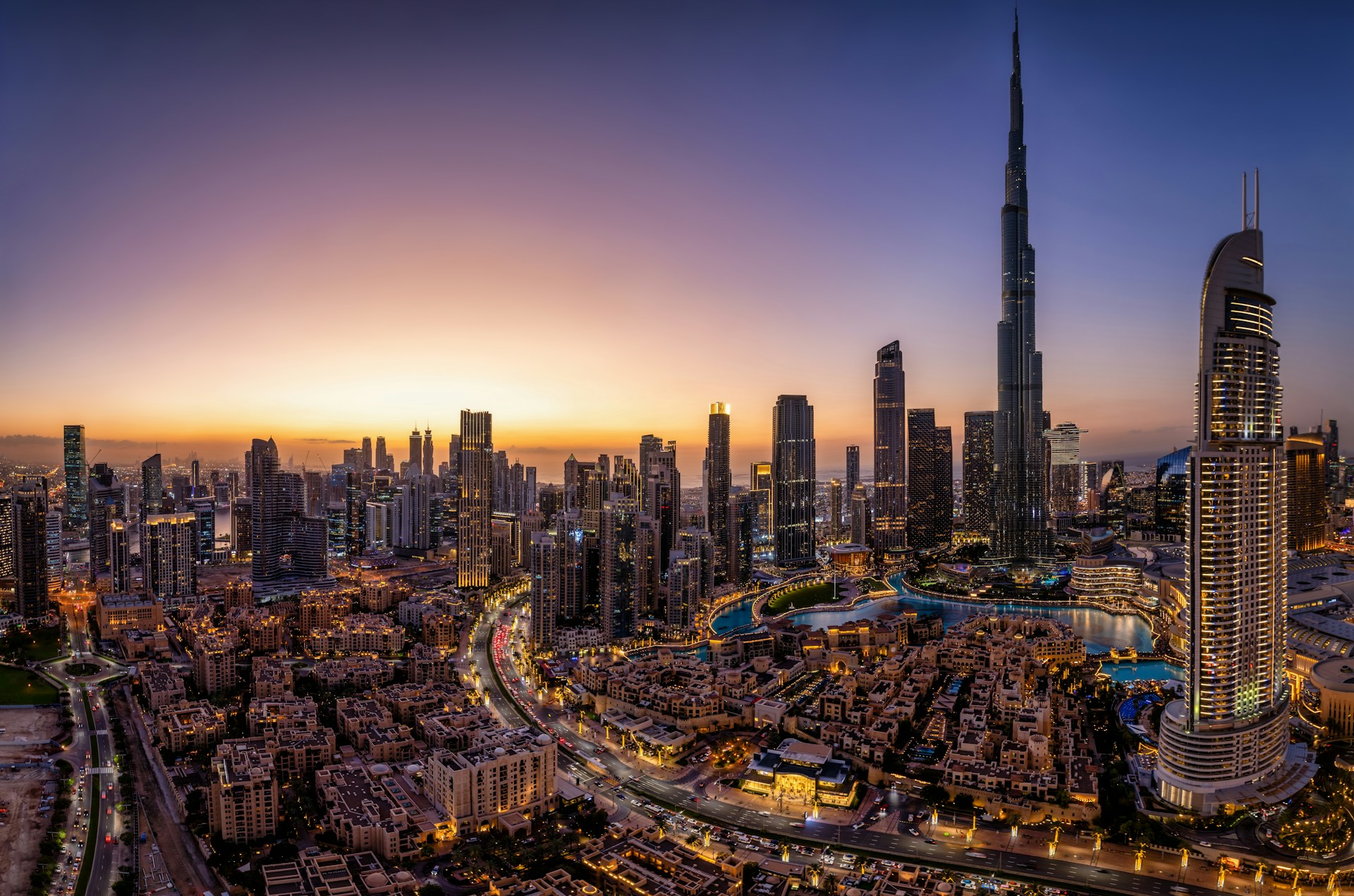
Dubai has become one of the most attractive property markets in the world. It offers modern infrastructure, strong rental returns, and a tax-friendly environment. For many international buyers, the big question is simple. Can foreigners actually buy property in Dubai?
The short answer is yes. Foreigners can legally purchase property in designated areas. Over the years, Dubai has introduced clear regulations to attract global investors. From luxury waterfront homes to affordable apartments, the options are wide and accessible. This guide explains the rules, ownership types, costs, and key considerations so you can make an informed decision.
Dubai’s property market is structured to be transparent and investor-friendly. With the right guidance and understanding, buying a home here can be a smooth process. Many buyers also rely on professional support from the Leading Real Estate Agents in Dubai to navigate legal steps and find the right property.
Who Can Buy Property in Dubai?
Foreign nationals, including non-residents, are allowed to buy property in Dubai. You do not need to be a UAE citizen or even hold a residency visa to invest. This has made Dubai especially appealing to overseas investors looking for stable returns.
However, foreign ownership is limited to specific zones known as freehold areas. These are locations where non-UAE nationals can fully own property. Popular freehold areas include Dubai Marina, Downtown Dubai, Palm Jumeirah, and Jumeirah Village Circle.
In these areas, buyers have full ownership rights. This includes the right to sell, lease, or pass the property to heirs. The government has carefully designated these zones to balance local and international ownership while maintaining market stability.
It’s also worth noting that buying property above a certain value can make you eligible for a UAE residency visa. This adds another layer of appeal for investors who want long-term access to the country.
Freehold vs Leasehold Ownership Explained
Understanding ownership types is essential before buying property in Dubai. The two main categories are freehold and leasehold. Each comes with different rights and responsibilities.
Freehold ownership means you own the property outright. This includes the unit and the land it sits on. You have full control over the property and can use it as you wish. This is the most common choice for foreign buyers and offers long-term security.
Leasehold ownership, on the other hand, gives you the right to use the property for a fixed period. This is usually between 30 and 99 years. The land itself remains owned by the freeholder. While leasehold properties are often more affordable, they come with limitations on modifications and resale.
Most international investors prefer freehold properties. They provide more flexibility and are easier to manage in the long run. However, leasehold can still be a good option for buyers looking for lower upfront costs.
Popular Areas for Foreign Buyers
Dubai offers a wide range of property options across different price points. Some areas are particularly popular among foreign buyers due to location, lifestyle, and investment potential.
Dubai Marina is known for its waterfront living and vibrant lifestyle. It attracts both investors and tenants, making it ideal for rental income. Downtown Dubai, home to iconic landmarks, offers luxury apartments with strong resale value.
Palm Jumeirah is another top choice. It features high-end villas and apartments with beachfront access. Meanwhile, Jumeirah Village Circle (JVC) is gaining attention for its affordability and growing infrastructure.
Each area has its own advantages. Your choice should depend on your budget, investment goals, and lifestyle preferences. Researching market trends and future developments can also help you make a smarter decision.
Costs Involved in Buying Property
Buying property in Dubai involves more than just the purchase price. There are several additional costs that buyers should be aware of. Planning for these expenses helps avoid surprises later.
One of the main costs is the Dubai Land Department (DLD) fee. This is typically 4% of the property value. It is a mandatory fee paid during the transfer of ownership. There may also be administrative charges associated with the transaction.
Other costs include real estate agent fees, which are usually around 2%. You may also need to pay for property registration, mortgage processing (if applicable), and valuation fees. These costs can add up, so it’s important to budget accordingly.
In addition, property owners must pay annual service charges. These cover maintenance of common areas, security, and facilities. The amount varies depending on the property type and location.
Step-by-Step Buying Process
The property buying process in Dubai is straightforward but involves several key steps. Knowing what to expect can make the experience smoother.
First, you need to choose a property and agree on the price with the seller. Once both parties agree, a Memorandum of Understanding (MOU) is signed. This document outlines the terms of the sale.
Next, a deposit is paid, usually around 10% of the property value. The buyer and seller then proceed to the Dubai Land Department for ownership transfer. At this stage, all fees are paid, and the title deed is issued in the buyer’s name.
If you are taking a mortgage, the process may involve additional steps. These include bank approvals and property valuation. Working with experienced professionals can help ensure everything is handled correctly.
Financing Options for Foreign Buyers
Foreigners can obtain mortgages in Dubai, but there are certain conditions. Banks usually require a higher down payment compared to UAE nationals. This is typically around 20% to 25% of the property value.
Interest rates vary depending on the lender and market conditions. Buyers must also meet eligibility criteria, including income requirements and credit checks. Having a strong financial profile can improve your chances of approval.
Some investors prefer to buy property with cash to avoid interest costs. However, mortgages can be useful for those looking to leverage their investment and maintain liquidity.
It’s important to compare different lenders and understand the terms before committing. This includes interest rates, repayment periods, and any additional fees.
Legal Considerations and Regulations
Dubai has a well-regulated property market. The government has introduced laws to protect both buyers and sellers. This ensures transparency and reduces the risk of disputes.
All property transactions must be registered with the Dubai Land Department. This guarantees legal ownership and provides official documentation. Buyers should also verify that the property is free from any debts or legal issues.
If you are buying an off-plan property, it’s important to check the developer’s reputation. Ensure the project is registered with the Real Estate Regulatory Agency (RERA). Payments for off-plan properties are usually made in stages based on construction progress.
Working with a qualified real estate agent and legal advisor can help you navigate these regulations. They can also assist with documentation and ensure compliance with local laws.
Benefits of Buying Property in Dubai
Dubai offers several advantages for foreign property buyers. One of the biggest benefits is the absence of property tax. This allows investors to maximise their returns.
The city also has a strong rental market. High demand from expatriates and tourists creates opportunities for consistent rental income. In some areas, rental yields are higher than in many global cities.
Dubai’s strategic location and world-class infrastructure add to its appeal. The city continues to invest in development, which supports long-term property value growth. Events and tourism also play a role in driving demand.
Additionally, property ownership can open the door to residency visas. This provides more flexibility for investors who want to spend extended time in the UAE.
Risks and Things to Consider
While Dubai offers many benefits, it’s important to consider potential risks. Like any property market, prices can fluctuate based on economic conditions and demand.
Buyers should also be aware of service charges and maintenance costs. These can impact overall returns, especially for rental properties. Choosing the right property and location is key to managing these expenses.
Another factor is market competition. With new developments constantly entering the market, supply can sometimes exceed demand. This may affect rental yields and resale value.
Doing thorough research and seeking professional advice can help minimise risks. Understanding the market and having a clear investment strategy is essential.
Final Thoughts
Dubai has made it easier than ever for foreigners to buy property. With clear regulations, diverse options, and strong investment potential, it continues to attract buyers from around the world.
Whether you are looking for a holiday home, a rental investment, or a long-term residence, Dubai offers something for everyone. The key is to understand the rules, costs, and ownership structures before making a decision.
With the right approach and guidance, buying property in Dubai can be a rewarding experience. It’s a market that combines lifestyle appeal with financial opportunity, making it one of the most sought-after destinations for global investors.
