

Public relations in Saudi Arabia is entering what industry leaders describe as a new strategic phase, with “reputation architecture” emerging as a defining framework for how institutions manage trust in 2026. As economic reforms accelerate under Saudi Vision 2030, communication leaders are moving from media outreach to the center of corporate decision-making.
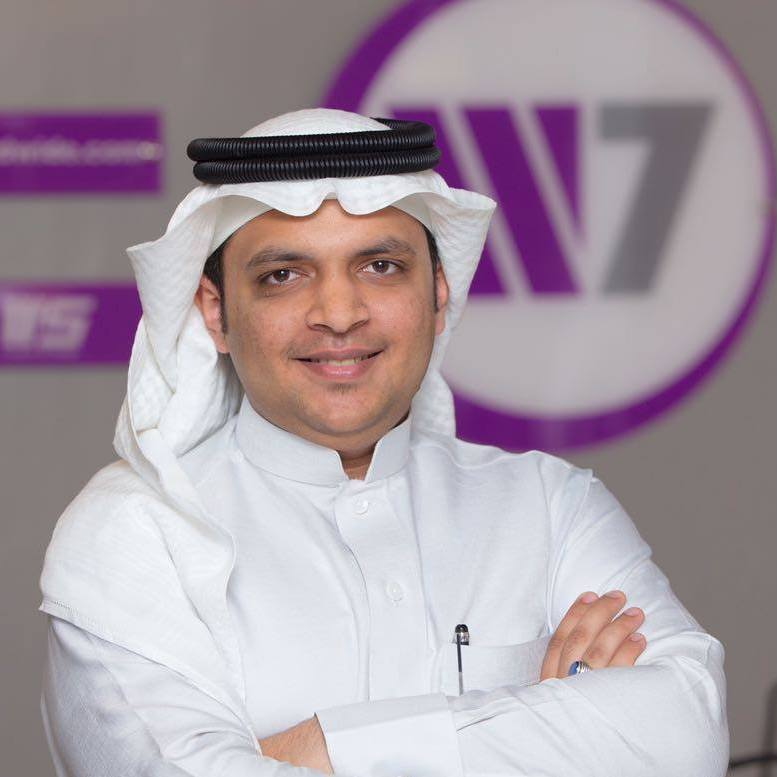
Abdullah Inayat, co-founder and director of W7Worldwide, argues that public relations in the Kingdom has shifted from a support function to a strategic discipline. In his view, organizations no longer measure success by media visibility alone. Instead, they assess how effectively communication aligns with leadership behavior, policy decisions and long-term institutional goals.
At the heart of that shift lies reputation architecture, a concept that frames trust as something designed and managed systematically. Rather than reacting to crises or focusing on campaign cycles, institutions increasingly embed communication into daily operations. That approach connects executive conduct, public messaging and stakeholder engagement in a single structure.
This evolution reflects broader national changes. Under Vision 2030, Saudi institutions are navigating regulatory reforms, economic diversification and growing international exposure. Consequently, corporate communication now plays a visible role in explaining policy shifts, clarifying institutional strategy and presenting Saudi organizations to global investors. As competition for foreign investment intensifies, reputation has become a decisive factor in attracting partnerships.
International research supports that view. Recent global reports rank institutional reputation among the most influential non-financial factors in long-term investment decisions. In many cases, investors weigh credibility and governance as heavily as operational metrics when assessing sustainability and future value.
As a result, companies have redefined performance indicators in public relations. Communication teams now track trust levels, risk exposure and reputational strength alongside traditional reach metrics. However, many practitioners acknowledge ongoing challenges. Around half of global public relations professionals say measuring return on investment remains one of the sector’s most complex tasks.
Technology is also reshaping the field. Industry data shows that more than 90 percent of public relations practitioners worldwide use artificial intelligence tools in daily work. Many rely on AI for idea generation, drafting and message refinement. In Saudi Arabia, adoption rates are similarly high, particularly in text-based and analytical tasks. Therefore, communication strategies increasingly draw on data insights and trend forecasting rather than reactive responses.
Yet experts caution that automation does not replace human judgment. Instead, it shifts professional value toward strategic interpretation, cultural awareness and risk assessment. In a society undergoing rapid transformation, communicators must navigate public expectations with precision and sensitivity.
During major reforms or high-profile initiatives, reputation architecture becomes especially critical. Clear messaging and consistent leadership behavior help maintain credibility when scrutiny intensifies. Ultimately, the profession’s role has expanded beyond shaping narratives. It now centers on sustaining trust as a strategic asset in a competitive and transparent global environment.
