

The global “Blue Zones” longevity model is shaping a new wave of green living in Dubai, as developers draw inspiration from the world’s longest-lived communities to design wellness-focused residential projects.
The concept of Blue Zones was first introduced by Dan Buettner, a National Geographic Fellow who began researching longevity hotspots in 2000. His work identified five regions where residents live significantly longer, healthier lives: Okinawa, Sardinia, Nicoya Peninsula, Icaria and Loma Linda. In each location, daily routines naturally incorporate movement, social connection and strong ties to nature.
Now, that philosophy is influencing high-end real estate in the UAE. Developers behind Keturah Reserve say the project reflects Blue Zones principles by embedding environmental and wellness elements into its master plan. Located in Mohammed Bin Rashid City’s District 7, the AED5.7 billion development aims to integrate air quality, water systems and circadian lighting into residential design.
Talal M. Al Gaddah, founder and CEO of the Keturah luxury brand, said Dubai’s broader sustainability strategy provides momentum for such projects. Recently, Dubai Municipality launched its Blue and Green Spaces Roadmap, outlining more than AED4 billion in parks and green infrastructure projects. Over the next five years, the city plans to plant 1.5 million trees, create 120 parks and expand sports and recreational corridors.
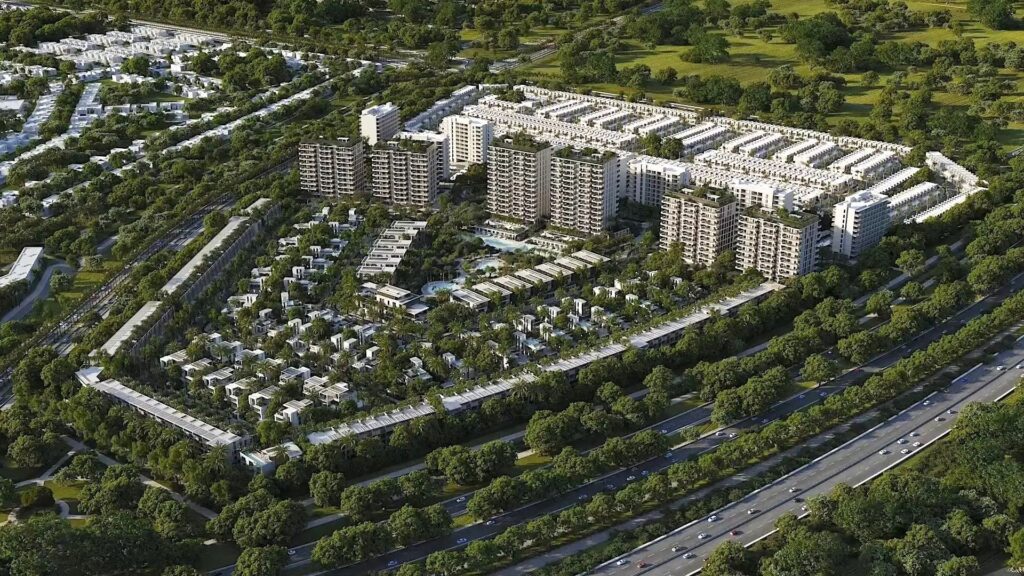
Against that backdrop, developers argue that wellness-led communities are moving from niche to mainstream. At Keturah Reserve, designers have installed advanced air purification systems and calibrated lighting to mirror natural daylight patterns. Landscaping features mature trees and green corridors, while community planning prioritizes walkability and outdoor engagement.
The commercial rationale is also clear. According to Al Gaddah, wellness-centric properties in Dubai can command price premiums of up to 15 percent. Meanwhile, branded residences with strong lifestyle positioning may achieve premiums of 15 to 25 percent. Analysts say buyers increasingly consider health, sustainability and community design when evaluating luxury investments.
The shift reflects wider global trends. As urban populations grow and environmental concerns intensify, cities are under pressure to integrate nature into long-term planning. Dubai’s push for green living in Dubai aligns with international efforts to link public health, environmental sustainability and property development.
While Blue Zones originated in remote or tightly knit communities, developers in Dubai are attempting to replicate key elements within a modern, master-planned environment. Whether that model can fully reproduce the longevity outcomes seen in Okinawa or Sardinia remains to be studied. However, the influence of the Blue Zones concept on green living in Dubai signals how wellness and sustainability are reshaping the emirate’s luxury property landscape.
